I used to be ashamed to be of my Haitian descent for the longest time. In a lot of ways, I’m not fully over it.
What good have I ever had to say about the country my parents came from? The Haitian government receives aid, money, and supplies and simply squanders it. The Haitian Creole (Kreyol) language is not popular. Eighty percent of the Haitian people are poor. In fact, Haiti, which shares an island with the Dominican Republic, is the poorest country in the Western Hemisphere. My parents came from a third-world country. Once I learned that, I figured there was nothing to be proud of in that.
So many times I wished I was something else, something cool. Like, oh say, Hispanic. It’s cool to be Hispanic. Spanish is a useful language to know, especially in America.
Now, it’s suddenly cool to be Haitian. Haiti, devastated by a recent earthquake, is at the forefront of the world’s mind. Suddenly, this tiny, pathetic country is huge, taking up space on the airwaves, dominating news, and pressing upon people’s hearts. Blink-182 had their signature rabbit running with the Haitian flag on a T-shirt and Lady Gaga created a T-shirt with the word “Haiti” and Haitian flag colors dominating throughout. As I type this, “Hope For Haiti Now” is on TV with the biggest and brightest of superstars lending their support to raise funds for a country that has none. People who never gave a damn before give a damn now.
I can lift my head up a little higher when I speak to people about my heritage now. Everyone seems to want to connect with a Haitian. A country that no one cared about—a throwaway nation—is suddenly front and center. When I used to tell people that my parents were from Haiti, at times, I received baffled looks, sometimes accompanied with a “Where’s that?” Everyone had heard of Cuba; Haiti? Not so much.
When the earthquake first occurred and aid poured into Haiti, I initially got upset at everyone, including myself. “Oh NOW, suddenly you care about Haiti?” Haiti has never been okay, Haiti has never been doing fine, and no one cared to assist a country that was sorely in need. Now that hundreds of thousands of people have died, the world’s eyes have been opened. The plight of the Haitian people has come before the world and moved it to compassion by giving generously to a country that may never be able to give back.
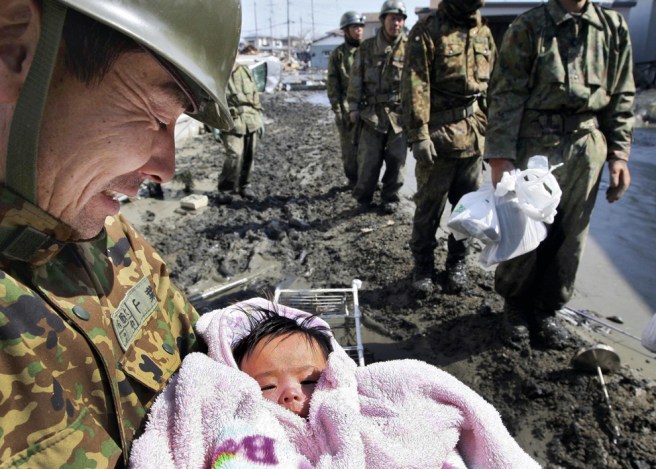
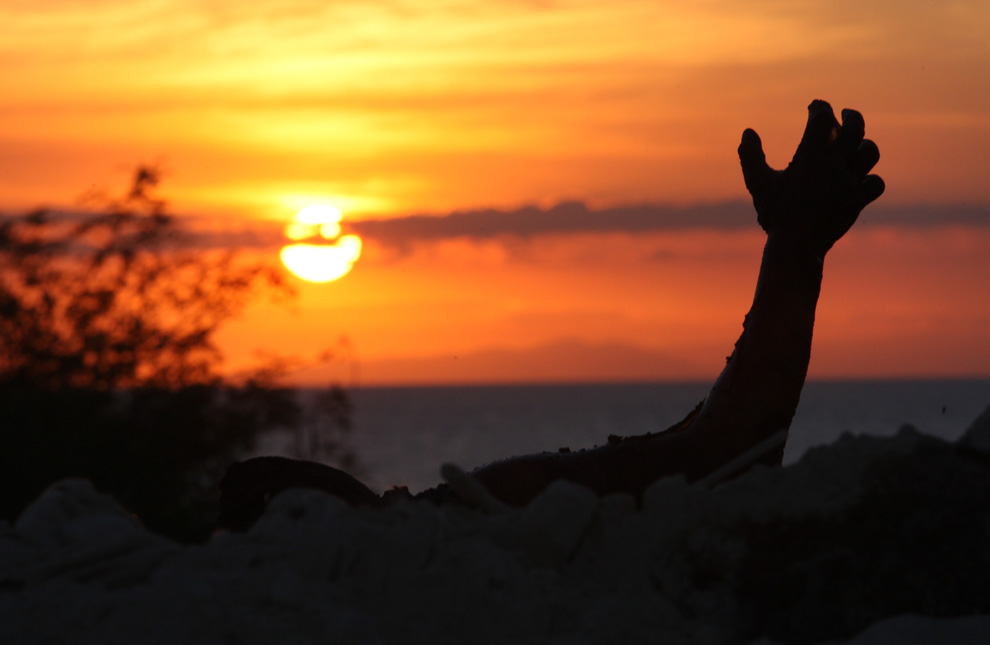
But 10 days later after the great 7.3-magnitude Haiti earthquake, I’m at a point where I can reassess and think, “Wow. People actually care. This shows the best of people. The world is moved to assist a country that it never cared about before or even knew existed.” And I must thank God. I’m not happy that so many people had to die for the world to notice Haiti. But I’m humbled by seeing the outpouring of love and support from other nations including one that I am a citizen of—the United States. I am humbled by seeing both old and young being pulled alive out of rubble days after they should have been dead. I know only a merciful God can sustain them.
The faith of the Haitian people has humbled me. To hear stories of Haitians singing “How Great Thou Art” in spite of death and decay humbles me. Yes, there is voodoo common throughout the country but Haitians are a people of faith—a people who believe in God. In fact, they refer to Him as “bon Dieu” (translated as “good God”) in almost everything. A common saying tacked on at the end of many plans is “si Dieu veux” (translated to “God willing”). Perhaps it’s superstitious and embedded in the culture but it’s there. A belief in God—not just any god but a good God—is pervasive. And it’s the faith that has carried many Haitians through, it’s the faith that has carried many buried people found alive, and it’s the faith that will help rebuild the country.
And that is something I can be proud of.
—————-
Now playing: David Nevue – How Great Thou Art
via FoxyTunes


 This Journey Is My Own