
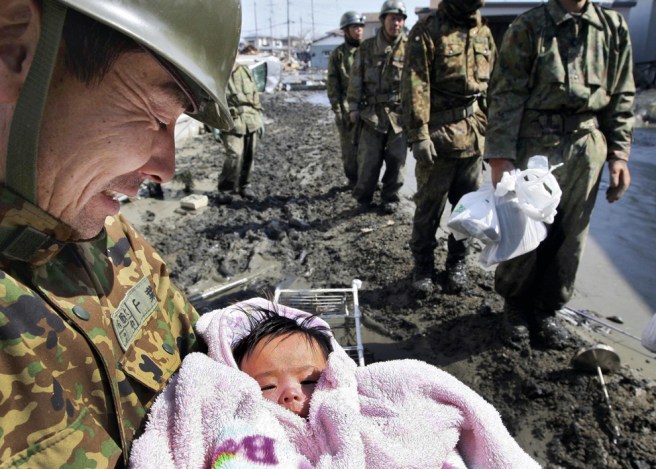
The earthquake in Japan has touched my heart and mind. I do have a friend in Japan who is all right (she updated her Facebook profile), and while I am sad about the loss of life and devastation, I am also glad that Japan is a first-world country with proper infrastructure that can help minimize damage in the face of shifting plates and waves rolling across the land. Haiti lacked all of these things including access to basic health care, which made the death toll in last year’s earthquake all the more worse for the impoverished country.
Natural disasters (or “acts of God”) are devastating. They result in loss of life, extensive property damage, and put people in harm’s way for the future (ie, Haiti: cholera; Japan: radiation exposure). But these same disasters that bring so calamity upon a people also bring a sense of community. People of an entire country band together like never before in recent memory to assist one another. Sure, there are looters—but these vagabonds are not the norm; they are the exception. People are digging their neighbors and coworkers out of rubble. They are grieving with people’s names they do not know upon discovering that their loved ones bodies have washed upon the shore. They are sharing food, transportation, and words with a form of compassion that may not have existed two weeks ago.
People around the world are touched by the frailty of human life when these tragedies strike, and the outpouring of love, money, and support is evidence of that.
Perhaps I’m exercising dispensational eschatology in believing that the United States is poised for its own great earthquake in the next 10 years. And I don’t fear California so much as I fear the “inactive” plate that’s sitting miles beneath the ground I live on. None of us are prepped or poised for that.
And I can only hope and pray that the world will be as good to us then as we have tried to be to them.

 This Journey Is My Own